In Arizona’s intense desert climate, reliable electricity isn’t a luxury—it’s a necessity. From running powerful air conditioners to charging electric vehicles and powering home offices, Arizonans rely heavily on their electrical systems every day. At the center of it all is one often-overlooked component: your electrical panel.
This humble metal box is the command center of your home’s power system. It routes energy, prevents overloads, and ensures your lights, appliances, and cooling systems run safely and efficiently. Yet, many Arizona homeowners don’t fully understand how it works or when it needs attention.
This comprehensive guide breaks down everything you should know about electrical panels—how they function, when to upgrade, and how to keep them safe in Arizona’s demanding environment.
Understanding the Role of Your Electrical Panel
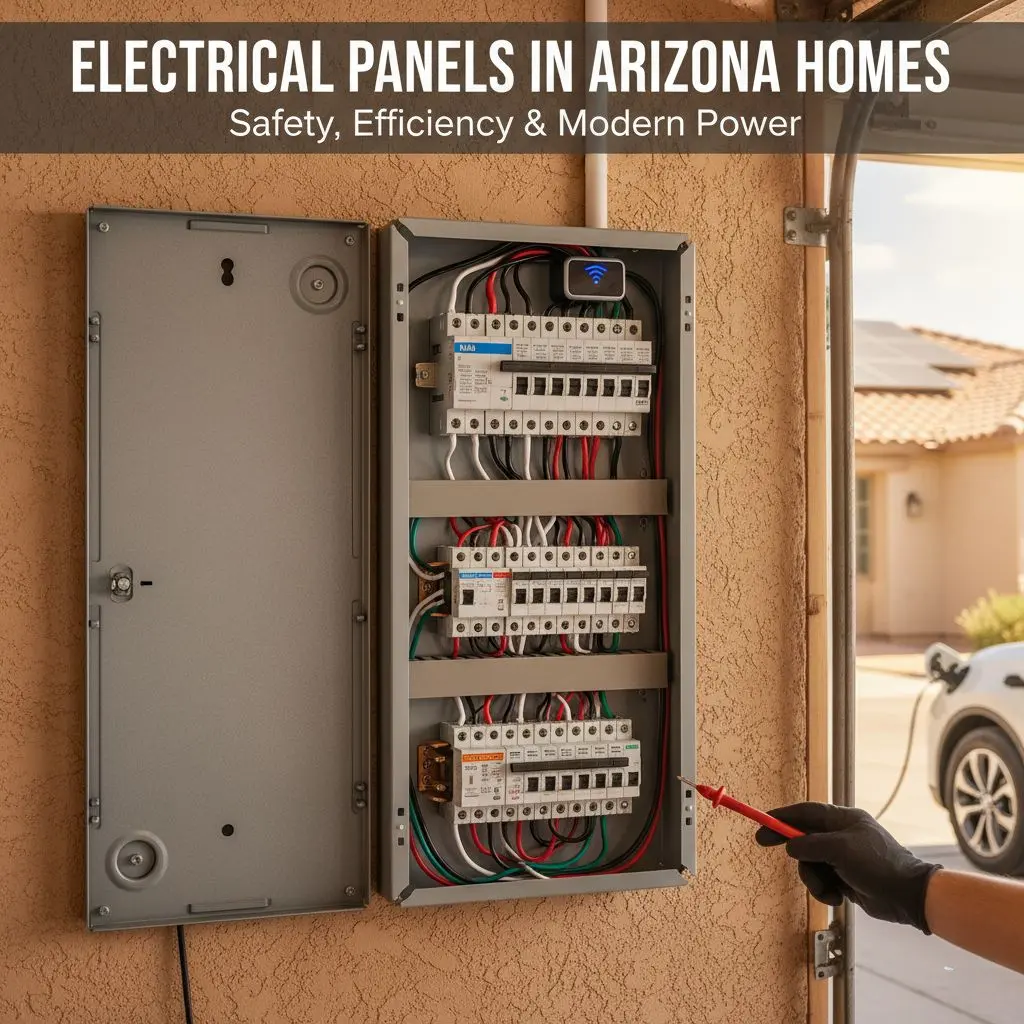
An electrical panel (often called a breaker box, service panel, or fuse box) is the main control center for your home’s electricity. It takes incoming power from the utility company and divides it into circuits that deliver electricity throughout your home.
Each circuit is protected by a breaker, a switch that automatically cuts power when too much current flows through the wiring. This prevents wires from overheating and starting a fire. The panel also includes a main breaker that can shut off all power to the home in an emergency.
Think of your panel as a power traffic controller—directing electricity where it’s needed and stopping it when something goes wrong.
The Main Components of an Electrical Panel
Arizona homes, both new and old, feature a mix of panel types depending on age and upgrades. Understanding what you have helps you know what maintenance or replacement might be needed.
1. Main Breaker Panels
The standard in modern homes, these panels feature a large breaker (typically 100–200 amps) that controls the entire home’s power supply. You’ll find individual breakers beneath it for different circuits.
Homes in areas like Phoenix, Mesa, or Tucson that run multiple air conditioners or electric vehicle chargers often require 200-amp main breaker panels to handle higher demand.
2. Main Lug Panels
These panels don’t have a main breaker; instead, they’re controlled by an external disconnect switch near the meter. They’re often used as secondary panels for detached garages or additions.
3. Subpanels
A subpanel is a smaller secondary breaker box powered by your main panel. They’re useful for home expansions, workshops, or casitas—common in Arizona’s sprawling residential properties.
4. Fuse Boxes
Homes built before the 1970s might still have fuse boxes, which use replaceable fuses instead of breakers. While functional, they’re outdated and can’t safely support today’s energy-hungry appliances. If your home still relies on fuses, it’s time to schedule a panel upgrade.
5. Smart Electrical Panels
Many Arizona homeowners installing solar energy systems are upgrading to smart panels. These panels connect to Wi-Fi, allowing you to monitor power usage in real-time and track how solar energy is distributed throughout your home.
They can even automatically switch loads during high demand or outages—helpful during Arizona’s summer storms and utility interruptions.
How Electrical Panel Capacity Affects Your Home
Panel capacity is measured in amperes (amps), representing how much electricity your home can safely use at once. As Arizona homes have grown larger and more dependent on power-intensive appliances, proper capacity has become critical.
Common Panel Sizes:
- 60 amps: Found in older homes; insufficient for modern needs.
- 100 amps: Minimum capacity for small homes or condos.
- 150 amps: Adequate for most medium-sized homes with standard loads.
- 200 amps: Standard for new construction or homes with central AC, electric ranges, or EV chargers.
- 400 amps: For luxury homes or properties with multiple HVAC units and extensive outdoor lighting.
If you experience flickering lights, tripping breakers, or hot panel surfaces, your panel may be at its limit. In Arizona, where HVAC systems alone can account for over half of your energy use, undersized panels are a common cause of electrical stress and inefficiency.
Signs It’s Time to Replace or Upgrade Your Electrical Panel
Electrical panels aren’t designed to last forever. Most last 25 to 40 years, but Arizona’s intense heat can shorten that lifespan—especially for panels installed in garages or exterior walls exposed to sunlight.
Here are key signs it’s time to call an electrician:
1. Frequent Breaker Trips
If your breakers trip often, your panel may be overloaded or have worn-out components. Constant tripping is not normal—it’s your panel’s way of saying it’s working too hard.
2. Lights Flicker When Appliances Run
This usually means your circuits are overloaded, especially when major appliances like air conditioners or pool pumps start up.
3. Corrosion or Rust
Humidity, monsoon moisture, and dust can cause corrosion inside panels. Rust weakens connections and increases fire risk.
4. Outdated Fuse Box
Fuse boxes don’t meet modern electrical codes or safety standards. Upgrading to a circuit breaker panel improves safety and convenience.
5. Warm or Buzzing Panel
A warm surface or buzzing noise indicates potential electrical arcing—a dangerous condition that requires immediate inspection.
6. Home Renovations or Additions
If you’re adding new rooms, appliances, or a solar array, your existing panel might not have the capacity for new circuits.
Why Upgrading Your Panel Is Worth the Investment
Upgrading your electrical panel isn’t just about keeping up with technology—it’s about protecting your home, improving efficiency, and preparing for future energy demands.
Increased Safety
Newer panels are built to meet current electrical codes, offering enhanced protection against overloads, short circuits, and fires. They often include arc-fault and ground-fault protection, which detect issues before they become dangerous.
More Power for Modern Living
Arizona homeowners often add power-hungry systems like electric ranges, hot tubs, EV chargers, and high-efficiency air conditioners. A 200-amp or smart panel ensures your home can handle it all without overloading.
Support for Renewable Energy
Solar energy is huge in Arizona, but older panels can’t always integrate with solar inverters or battery systems. An upgraded panel allows seamless connection with solar arrays and home battery backups like Tesla Powerwall or Enphase systems.
Increased Home Value
Electrical upgrades are one of the best ways to boost resale appeal. Homebuyers appreciate modern, safe systems—especially in a market where energy efficiency and solar readiness are major selling points.
Electrical Panel Maintenance in Arizona’s Climate
Arizona’s heat and dust can take a toll on electrical systems. Simple maintenance can help extend your panel’s lifespan and prevent costly repairs.
1. Keep It Cool and Clean
Avoid blocking ventilation around your panel, and keep the area clear of dust and debris. Panels exposed to heat from direct sunlight or enclosed garages may overheat, which can degrade breaker performance over time.
2. Inspect Annually
Have a licensed electrician perform a yearly inspection. They’ll check for loose connections, corrosion, and proper voltage. It’s also a good time to ensure your system meets the latest Arizona building codes and National Electrical Code (NEC) standards.
3. Label Circuits Clearly
A labeled panel isn’t just convenient—it’s a safety measure. If there’s ever an emergency, you or a technician can quickly shut off power to the right circuit.
4. Watch for Warning Signs
If you notice burning smells, warm breakers, or tripped circuits that won’t reset, call a professional immediately. These are potential signs of wiring faults or internal damage.
Safety Tips for Arizona Homeowners
- Never remove the panel cover yourself—live wires can remain energized even with the main breaker off.
- Maintain at least three feet of clearance around the panel for easy access.
- Avoid water exposure—do not install panels near water heaters, washing machines, or outdoor misters.
- Use surge protection to safeguard your appliances from Arizona’s frequent lightning storms.
- Always hire licensed electricians for installations or upgrades; electrical work without a permit can violate state code and void insurance coverage.
The Future of Electrical Panels in Arizona
The rise of solar power, electric vehicles, and smart homes is changing how Arizona homeowners manage electricity. Future-ready panels now integrate energy management systems that can balance loads between your HVAC, EV charger, and battery storage.
Smart electrical panels can even schedule when high-demand appliances run—helping you save money during Arizona’s peak electricity hours. As the state pushes toward renewable energy, modern electrical infrastructure will play a central role in grid reliability and energy efficiency.
Choosing the Right Electrician in Arizona
Electrical work is one place you never want to cut corners. When hiring an electrician for panel service or upgrades:
- Verify their ROC (Registrar of Contractors) license.
- Ask about experience with solar integration and smart panels.
- Get a detailed written estimate covering parts, labor, and permits.
- Choose a company familiar with local utility requirements like SRP or APS.
- Ensure they handle permit applications and code inspections.
Working with a reputable Arizona electrician ensures your home stays compliant, efficient, and safe under the state’s demanding electrical standards.
Final Thoughts: Powering Arizona Homes the Right Way
Your electrical panel might not be as visible as your rooftop solar panels or smart thermostat, but it’s the foundation of your home’s entire power network. In Arizona—where electricity demand is high year-round—having a reliable, well-maintained panel isn’t optional; it’s essential.
A properly sized, upgraded electrical panel keeps your cooling system running during the hottest days, supports your modern lifestyle, and protects your family from electrical hazards. Whether you live in Phoenix, Scottsdale, or Tucson, investing in your electrical panel means investing in your home’s safety, comfort, and energy future.